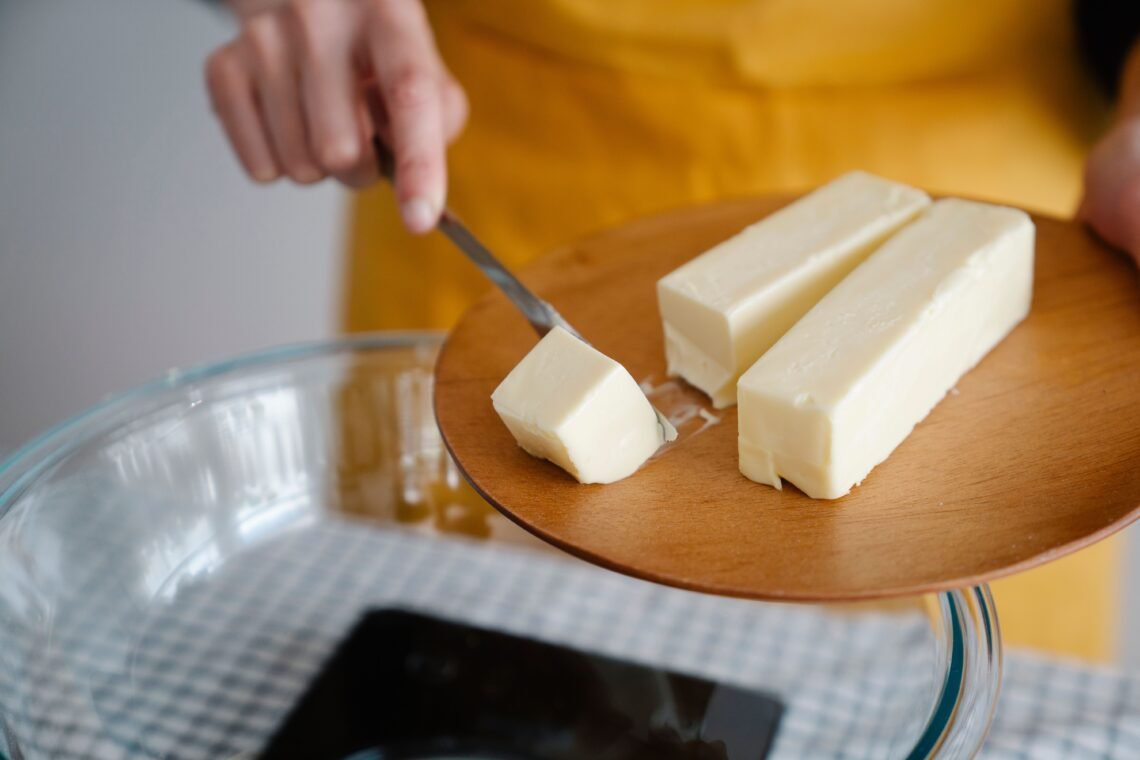
If you’re looking to understand more about shortening and its role in baking and cooking, you’ve come to the right place. In this article, we’ll break down the key facts about shortening in a concise and easy-to-understand manner. So, let’s dive in!
Understanding Shortening
Shortening is a type of fat that is solid at room temperature and used in baking to create a tender and flaky texture in pastries, biscuits, and pie crusts. It is often made from hydrogenated vegetable oils, which are oils that have been chemically altered to become solid. Shortening helps to inhibit gluten formation in dough, resulting in a more tender baked good.
Types of Shortening
There are two main types of shortening: hydrogenated and non-hydrogenated. Hydrogenated shortening is the most common and is produced by adding hydrogen to vegetable oils to make them solid. Non-hydrogenated shortening, on the other hand, is made using oils that naturally solidify at room temperature, such as coconut oil or palm oil.
Benefits of Using Shortening
- Tender Texture: Shortening helps to create a tender texture in baked goods by inhibiting gluten formation.
- Flaky Crusts: It is essential for creating flaky pie crusts and biscuits.
- Extended Shelf Life: Baked goods made with shortening tend to have a longer shelf life compared to those made with butter.
- High Smoke Point: Shortening has a higher smoke point than butter, making it ideal for frying and high-temperature cooking.
Tips for Using Shortening
- Measure Accurately: Use a kitchen scale to measure shortening accurately, as it can affect the texture of your baked goods.
- Room Temperature: Allow shortening to come to room temperature before using it in recipes for better incorporation.
- Creaming Method: When using shortening in baking, cream it with sugar to incorporate air and create a light texture.
- Storage: Store shortening in a cool, dark place to prevent it from going rancid.
Is Shortening the Same as Lard?
No, shortening and lard are not the same. While both are fats used in baking, lard is made from rendered pork fat, while shortening is typically made from vegetable oils.
In Summary
Shortening is a key ingredient in baking that helps to create tender and flaky textures in pastries and other baked goods. Understanding the different types of shortening, its benefits, and how to use it properly can elevate your baking game and give you better results in the kitchen. So, the next time you reach for shortening in your pantry, remember these key facts for baking success!
